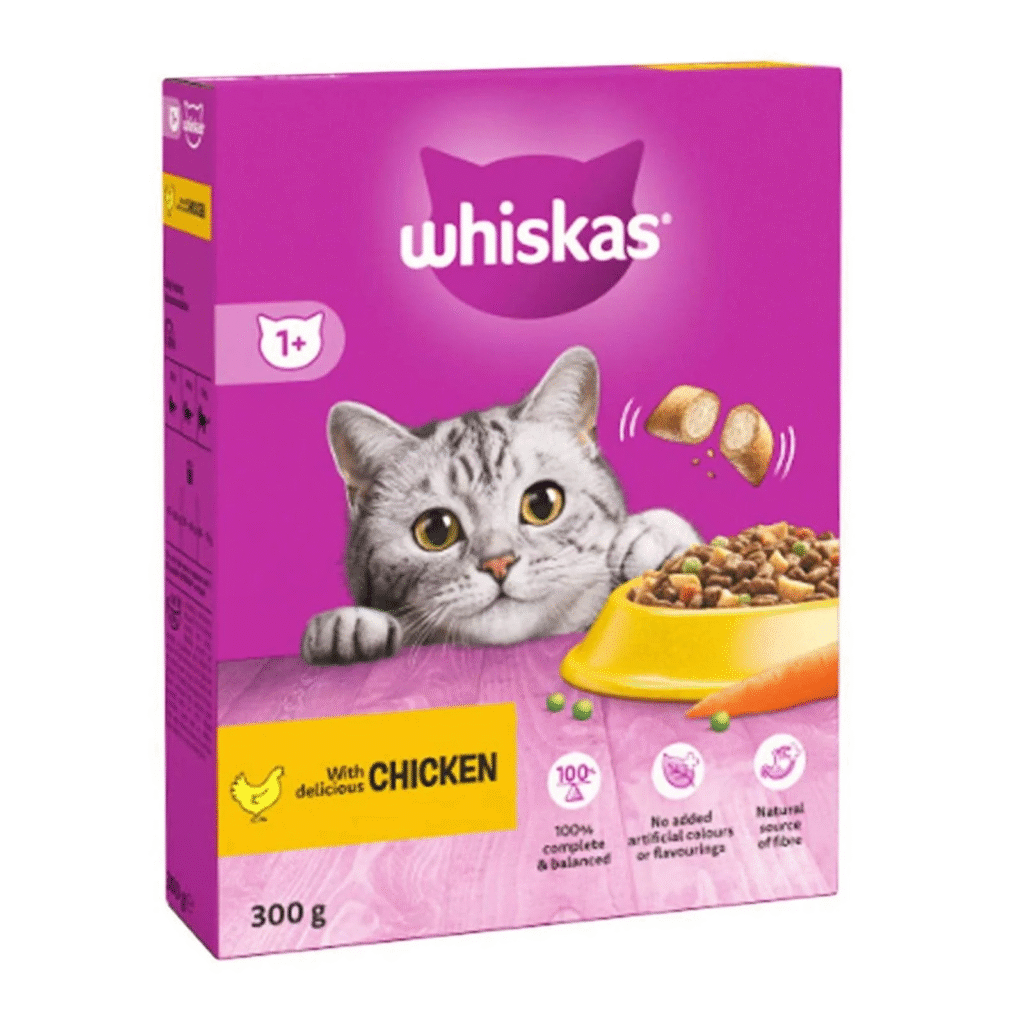
Cats are beloved members of countless households, and caring for their health begins with proper nutrition. Among the many options available, dry cat food pet food is one of the most popular choices for pet owners 貓乾糧. It provides convenience, long shelf life, and balanced nutrition when selected carefully. However, not all dry cat food pet food products are created equal, so choosing the right one requires knowledge of ingredients, cat health needs, and feeding practices.
Understanding the benefits of Dry Cat Food Pet Food
One of the biggest reasons dry cat food pet food is favored by pet parents is its convenience. Unlike wet food, it does not require refrigeration after being opened and can be stored easily in an airtight container. The crunchy texture also helps in maintaining dental health by reducing plaque buildup and stimulating chewing.
Dry cat food pet food is often more economical than canned or raw diets. Since it can be left out in a feeding bowl without spoiling quickly, it suits busy pet owners who may not always be home during feeding times. Furthermore, most brands are formulated with essential nutrients such as proteins, vitamins, and minerals to support overall feline health.
Ingredients to look for in Dry Cat Food Pet Food
When selecting dry cat food pet food, the first step is to check the ingredient list. High-quality protein sources such as chicken, turkey, fish, or beef should be listed as the main ingredient. Cats are obligate carnivores, meaning their bodies are designed to thrive on animal protein rather than plant-based fillers.
Avoid foods that list corn, wheat, or soy as the primary ingredients. These fillers may add bulk but provide little nutritional value for cats. Instead, look for recipes that include animal fats for energy, taurine for heart and vision health, and omega fatty acids for skin and coat care. Some dry cat food pet food also contains probiotics to support digestion, which can be particularly helpful for cats with sensitive stomachs.
Tailoring Dry Cat Food Pet Food to your Cat’s Age
Cats have different nutritional requirements depending on their life stage. Kittens, for example, need dry cat food pet food rich in protein and calories to support rapid growth and development. Adult cats, on the other hand, require a balanced formula that helps maintain weight and provides sustained energy.
Senior cats benefit from specialized dry cat food pet food that is lower in calories but enriched with joint-supporting nutrients like glucosamine and chondroitin. Choosing food according to your cat’s age ensures they get the right blend of nutrients at every stage of life.
Addressing Special Health Needs with Dry Cat Food Pet Food
Not all cats have the same dietary needs, and certain health conditions require tailored nutrition. Cats prone to urinary tract infections may benefit from dry cat food pet food designed to maintain urinary health by controlling pH levels. Overweight cats often need weight-management formulas with reduced fat and added fiber to promote satiety.
For cats with food allergies, hypoallergenic dry cat food pet food with limited ingredients or novel proteins like duck or venison can reduce allergic reactions. Veterinary-prescribed formulas are also available for conditions such as kidney disease, diabetes, or gastrointestinal issues. Always consult with a veterinarian before switching to a specialized diet to ensure it suits your cat’s health requirements.
Balancing Dry and Wet Cat Food
While dry cat food pet food offers numerous benefits, combining it with wet food can provide a more balanced diet. Wet food has a higher moisture content, which helps cats stay hydrated and supports kidney health. Mixing the two can improve palatability and variety, especially for picky eaters.
Pet owners should remember that cats often have low thirst drives, meaning they may not drink enough water on their own. Offering wet food alongside dry cat food pet food ensures your cat gets the hydration they need, especially in warm climates or for cats prone to urinary issues.
Feeding Practices for Dry Cat Food Pet Food
Portion control is vital when feeding dry cat food pet food. Because it is calorie-dense, overfeeding can quickly lead to obesity, a common problem among indoor cats. Always follow the feeding guidelines provided on the packaging but adjust according to your cat’s activity level and body condition.
Free-feeding, where food is left out all day, works for some cats but can encourage overeating in others. A measured meal schedule may be better for weight control. Providing interactive feeding toys or puzzle feeders with dry cat food pet food can also stimulate mental activity and prevent boredom while slowing down eating.
Reading Labels and Brand Transparency
Not all pet food brands adhere to the same quality standards. Look for dry cat food pet food that meets guidelines set by recognized organizations such as the Association of American Feed Control Officials (AAFCO). Brands that provide transparent sourcing information and conduct regular testing are generally more reliable.
Marketing labels such as “natural, ” “premium, ” or “holistic” can be misleading. Instead of relying on buzzwords, focus on the ingredient list, nutritional adequacy statement, and the reputation of the manufacturer. Researching customer reviews and consulting with veterinarians can also help in making an informed decision.
Transitioning Cats to New Dry Cat Food Pet Food
Switching from one type of dry cat food pet food to another should be done gradually to avoid digestive upset. Start by mixing small amounts of the new food with the old, increasing the proportion of new food over a week or two. Watch for signs of discomfort such as vomiting, diarrhea, or refusal to eat, and adjust the transition pace accordingly.
Patience is key when introducing new food. Some cats may be resistant at first, but slow, consistent changes usually lead to successful acceptance.
Conclusion
Choosing the right dry cat food pet food is one of the most important decisions for a cat owner. It not only affects your cat’s daily energy but also influences their long-term health and well-being. By paying attention to ingredients, age-specific needs, and any special health requirements, you can provide your feline companion with the best possible diet.
Balanced feeding practices, careful brand selection, and regular veterinary guidance all contribute to a healthier, happier cat. When thoughtfully chosen, dry cat food pet food becomes more than just a convenient option—it becomes the foundation of your cat’s overall wellness.