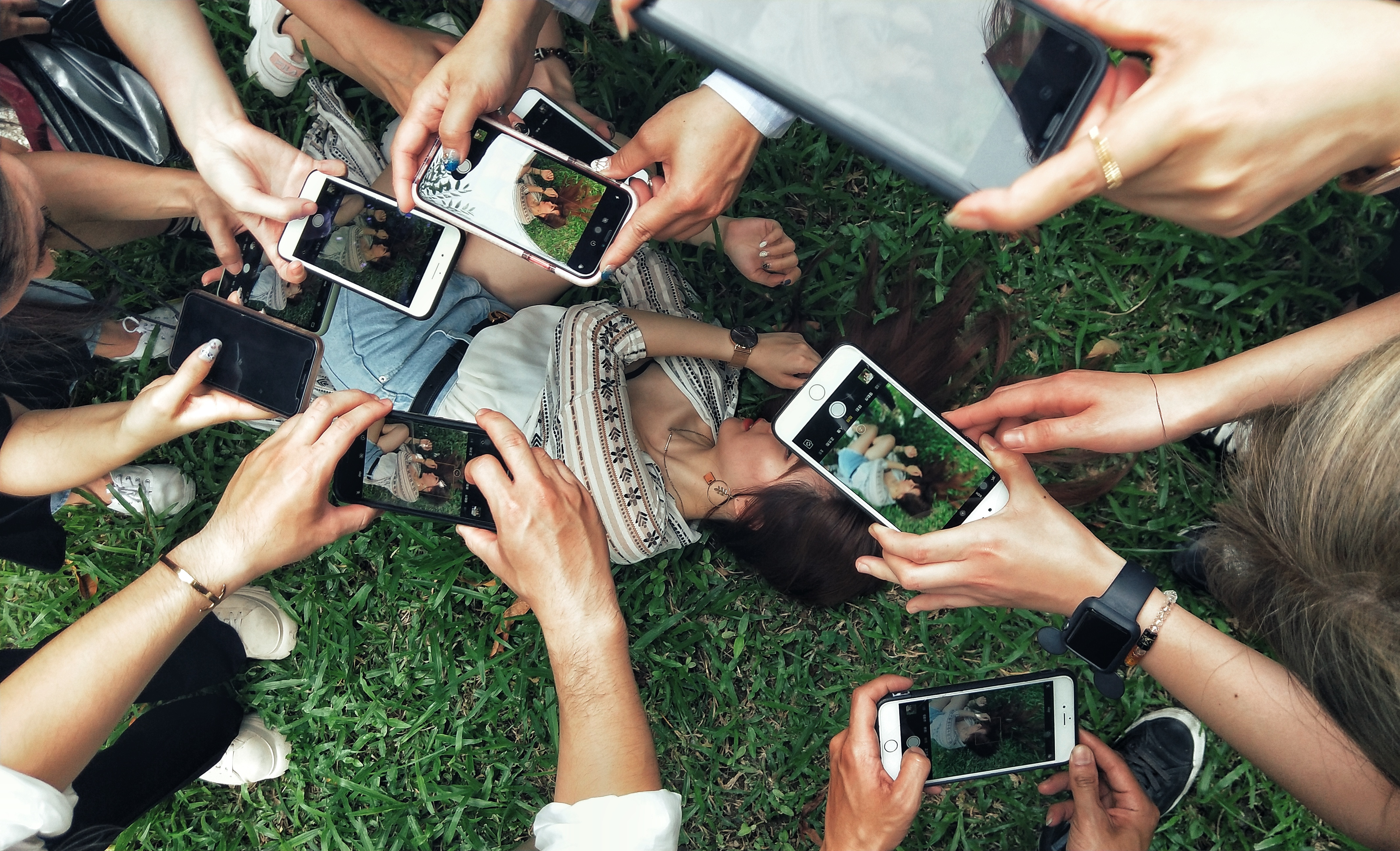
In today’s fast-paced digital world, mobile phones have become more than just tools for communication. They are powerful devices capable of capturing breathtaking photographs that rival those taken with professional cameras. As a result, mobile phone photography teaching has emerged as a popular and essential skill, enabling people to make the most of their devices and express their creativity through images. The growing interest in this field is not only due to the accessibility of technology but also because photography has become an integral part of personal expression and social sharing.
Mobile phone photography teaching focuses on helping learners understand the unique features of smartphone cameras and how to use them effectively 手機攝影教學. Unlike traditional photography, which often requires expensive equipment and extensive technical knowledge, mobile photography allows anyone to explore their creativity with a device they carry every day. A well-structured teaching approach can transform an ordinary user into someone who can capture professional-looking images by understanding composition, lighting, and perspective.
One of the core aspects of mobile phone photography teaching is understanding the fundamentals of photography. Even though smartphones automate many processes, the principles of photography remain critical. Students are taught about framing, angles, rule of thirds, and depth of field. These elements are essential because they help create visually appealing and balanced images. By grasping these concepts, learners can elevate their mobile photography from simple snapshots to images that tell compelling stories.
Lighting plays a pivotal role in mobile phone photography teaching. Unlike professional cameras, smartphone sensors are smaller and require careful attention to light conditions. Teaching students how to identify natural light sources, work with shadows, and use artificial lighting creatively can dramatically improve the quality of their photographs. Mobile phone photography teaching often includes practical exercises where learners experiment with different lighting scenarios, such as golden hour photography or low-light conditions, to understand how light affects color, texture, and mood.
Another important element of mobile phone photography teaching is mastering the tools and features available on modern smartphones. Many devices now offer advanced capabilities, including multiple lenses, night mode, portrait settings, and AI-assisted enhancements. Educators guide students on how to use these features strategically rather than relying on them blindly. Understanding when to use wide-angle lenses versus telephoto lenses or how to balance HDR settings can make a significant difference in the outcome of a photograph.
Creativity and storytelling are central to mobile phone photography teaching. A technical understanding alone is not enough to produce captivating images; the ability to convey emotion and narrative is what truly sets great photographers apart. Instructors often encourage learners to experiment with different perspectives, compositions, and subjects to develop a personal style. By integrating creativity into lessons, mobile phone photography teaching helps students move beyond standard images and explore photography as a form of artistic expression.
Practical exercises and assignments are essential components of mobile phone photography teaching. These activities provide hands-on experience and help learners apply theoretical concepts in real-world situations. For instance, students may be asked to capture a series of photos representing a theme, experiment with macro photography using household objects, or practice street photography techniques. Such exercises not only reinforce learning but also build confidence and proficiency with mobile photography.
The rise of social media has further amplified the relevance of mobile phone photography teaching. Platforms like Instagram, TikTok, and Pinterest rely heavily on visual content, making high-quality mobile photography a valuable skill for personal branding and professional growth. Teaching individuals how to optimize images for social media, including composition, cropping, and editing, ensures that their photos have maximum impact. Many courses also introduce basic editing apps and techniques to enhance colors, adjust exposure, and remove distractions, providing learners with a complete mobile photography toolkit.
Community and feedback are crucial in the learning process of mobile phone photography teaching. Sharing images within a learning group and receiving constructive critique helps learners identify strengths and areas for improvement. Collaboration and discussion allow students to see different perspectives and approaches, broadening their understanding of photography. Many educators emphasize creating a supportive environment where learners feel encouraged to experiment and take risks without fear of judgment.
Mobile phone photography teaching also addresses the practical side of managing and organizing digital photos. With the sheer volume of images captured on smartphones, teaching students effective ways to store, catalog, and back up their work is essential. Lessons often cover file management, cloud storage, and the use of metadata to keep photographs organized and easily accessible. This practical knowledge ensures that learners can preserve their creative work and build a growing portfolio over time.
The accessibility and affordability of mobile phone photography teaching make it appealing to a wide audience. Unlike traditional photography courses that may require expensive cameras and lenses, mobile phone photography allows anyone with a smartphone to participate. This inclusivity encourages diverse participation and democratizes photography education, giving more people the opportunity to explore their creativity and share their visual stories with the world.
In conclusion, mobile phone photography teaching is a dynamic and evolving field that empowers individuals to harness the potential of their devices and express themselves visually. By combining technical knowledge, creative exploration, and practical exercises, learners can transform their mobile phones into powerful tools for storytelling and artistic expression. The focus on accessibility, creativity, and real-world application ensures that mobile photography education remains relevant and valuable in a digital age where images play a central role in communication and culture. Embracing mobile phone photography teaching not only enhances technical skills but also fosters a deeper appreciation for the art of photography, encouraging learners to see the world through a lens of creativity and innovation.