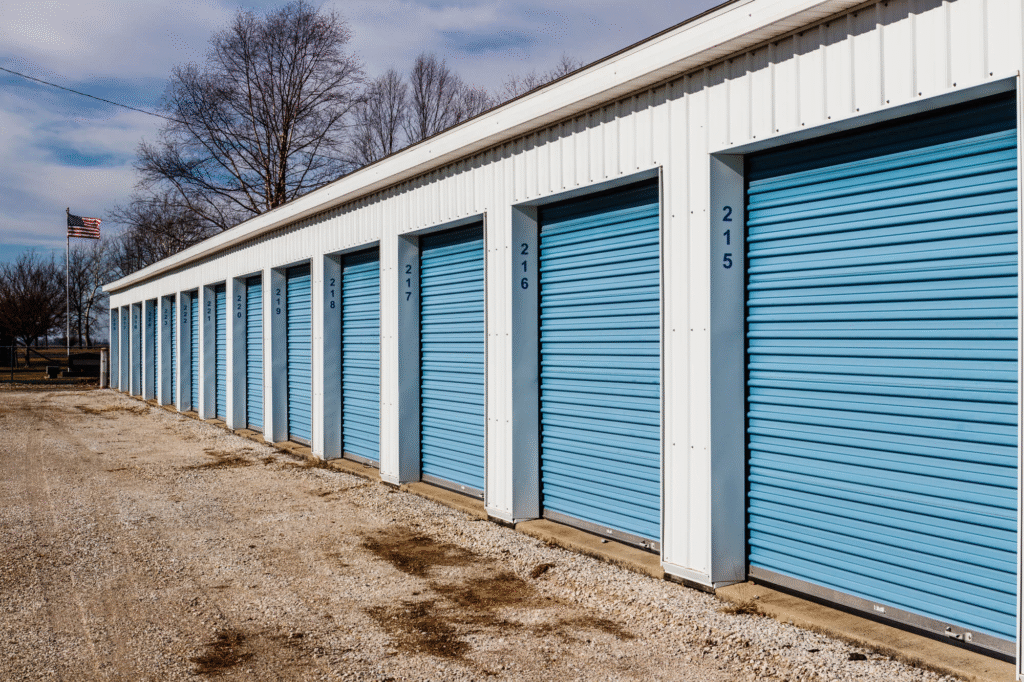
In today’s fast-paced world, space has become one of the most valuable commodities. Homes are filled with belongings, businesses accumulate inventory, and students often struggle with limited dormitory storage. The concept of the self-storage warehouse has emerged as a practical solution to these modern challenges, offering a convenient, secure, and flexible way to store possessions, documents, or equipment. This storage method has gained immense popularity, catering to individuals and businesses alike, and continues to expand as the demand for extra space grows.
A self-storage warehouse is more than just a room or a building where items are kept temporarily 迷你倉. It is a structured facility designed to provide users with access to secure storage units of varying sizes. Unlike traditional storage methods, self-storage warehouses allow clients to control their space according to their needs, offering a level of flexibility unmatched by other solutions. From small lockers to expansive units capable of storing furniture, vehicles, or business inventory, these warehouses accommodate diverse requirements, making them an essential service in urban and suburban areas.
Security is one of the key features that make a self-storage warehouse appealing. Most facilities employ advanced surveillance systems, including CCTV cameras, motion detectors, and electronic access control, ensuring that stored items remain safe at all times. Some warehouses go a step further by offering individual alarms on units or climate-controlled environments to protect sensitive belongings from damage. This attention to safety reassures customers that their possessions are in a reliable and monitored environment, which is particularly crucial for valuable or irreplaceable items.
Convenience is another significant factor driving the popularity of self-storage warehouses. Many facilities operate round the clock, allowing customers to access their storage units at any time. This flexibility is invaluable for businesses that may need inventory at unconventional hours or for individuals managing a busy schedule. Additionally, self-storage warehouses are strategically located, often near residential neighborhoods or commercial hubs, minimizing the time and effort required to transport items to the facility.
The adaptability of self-storage warehouses extends beyond just access and security. Many facilities offer a variety of unit sizes, enabling clients to choose precisely the space they need without paying for excess capacity. This scalability is particularly beneficial for businesses experiencing seasonal fluctuations in inventory or individuals undergoing life transitions, such as moving, renovating, or downsizing. By offering tailored storage options, self-storage warehouses provide an efficient and cost-effective solution to spatial challenges.
Economic factors also play a role in the growth of self-storage warehouses. The rising cost of real estate and limited availability of space in densely populated areas have made renting extra storage more appealing than acquiring additional property. For small businesses, especially startups, utilizing a self-storage warehouse can be a practical alternative to leasing large commercial spaces. This approach not only reduces overhead costs but also allows companies to allocate resources toward growth and development rather than investing in permanent infrastructure.
The environmental impact of self-storage warehouses is an often-overlooked advantage. By consolidating storage needs into centralized locations, these facilities reduce the demand for multiple smaller storage areas spread across a city. This efficiency can lead to lower energy consumption and a smaller overall footprint. Some modern warehouses have adopted sustainable practices, such as energy-efficient lighting, solar panels, and eco-friendly building materials, contributing to environmentally responsible storage solutions.
Technological advancements have further enhanced the functionality of self-storage warehouses. Many facilities now offer online booking, digital inventory management, and mobile apps that allow users to monitor their stored items remotely. These tools simplify the storage experience, making it easier to track, organize, and access possessions as needed. Technology also allows facilities to optimize space usage, improving operational efficiency and reducing costs for both the provider and the client.
Customer service remains a cornerstone of the self-storage warehouse industry. Staff members are trained to assist with packing, loading, and unit selection, ensuring that the storage process is smooth and stress-free. Some facilities provide additional services such as moving supplies, rental trucks, and climate control options, catering to the specific needs of each customer. This focus on convenience and support reinforces the value proposition of self-storage warehouses and fosters long-term loyalty among clients.
The versatility of self-storage warehouses extends beyond personal and business storage. They have become vital for niche applications such as document archiving, wine storage, and vehicle preservation. Collectors, professionals, and hobbyists can store delicate or valuable items under ideal conditions, confident that their belongings are protected. This specialized approach has opened new avenues for the industry, attracting diverse clientele and expanding the traditional concept of storage.